
Common problems
Reactive clay and house movement in Adelaide
Much of metropolitan Adelaide and many regional towns sit on clay that shrinks when it dries and swells when it wets. Houses are stiff. The ground is not. Seasonal moisture change, a leaking pipe, a blocked gutter or a large tree can be enough to open cracks.
AS 2870 is the residential slabs and footings standard used for this class of work. Site class is not assumed from the suburb name. If class matters to the advice, it has to come from a soil report or be stated as unknown.
What I can tell you from a visit
Whether the pattern of cracking is consistent with reactive-soil movement, whether a leak or a tree is a plausible contributor, and whether the next step is monitoring, plumbing investigation, drainage work, or a fuller report. Underpinning is not the default recommendation.
Book
Same two products as the cracks page: $645 letter or $1,295 report for a standard metro house.
A standard residential job is a single-storey house of up to four bedrooms and two bathrooms, on a typical suburban allotment, within 25 km of the Adelaide CBD.
From jobs already on this site
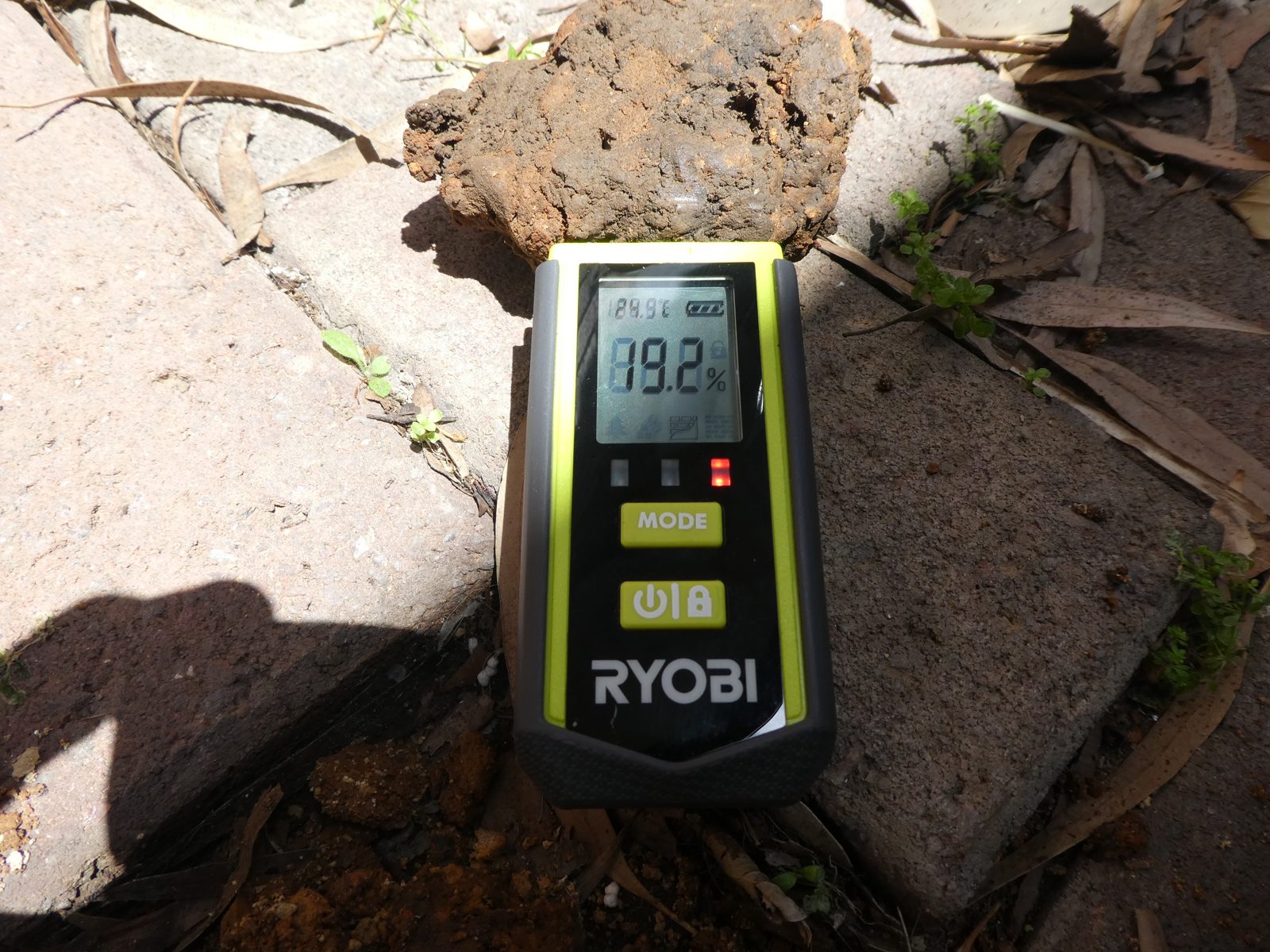
Soil moisture reading
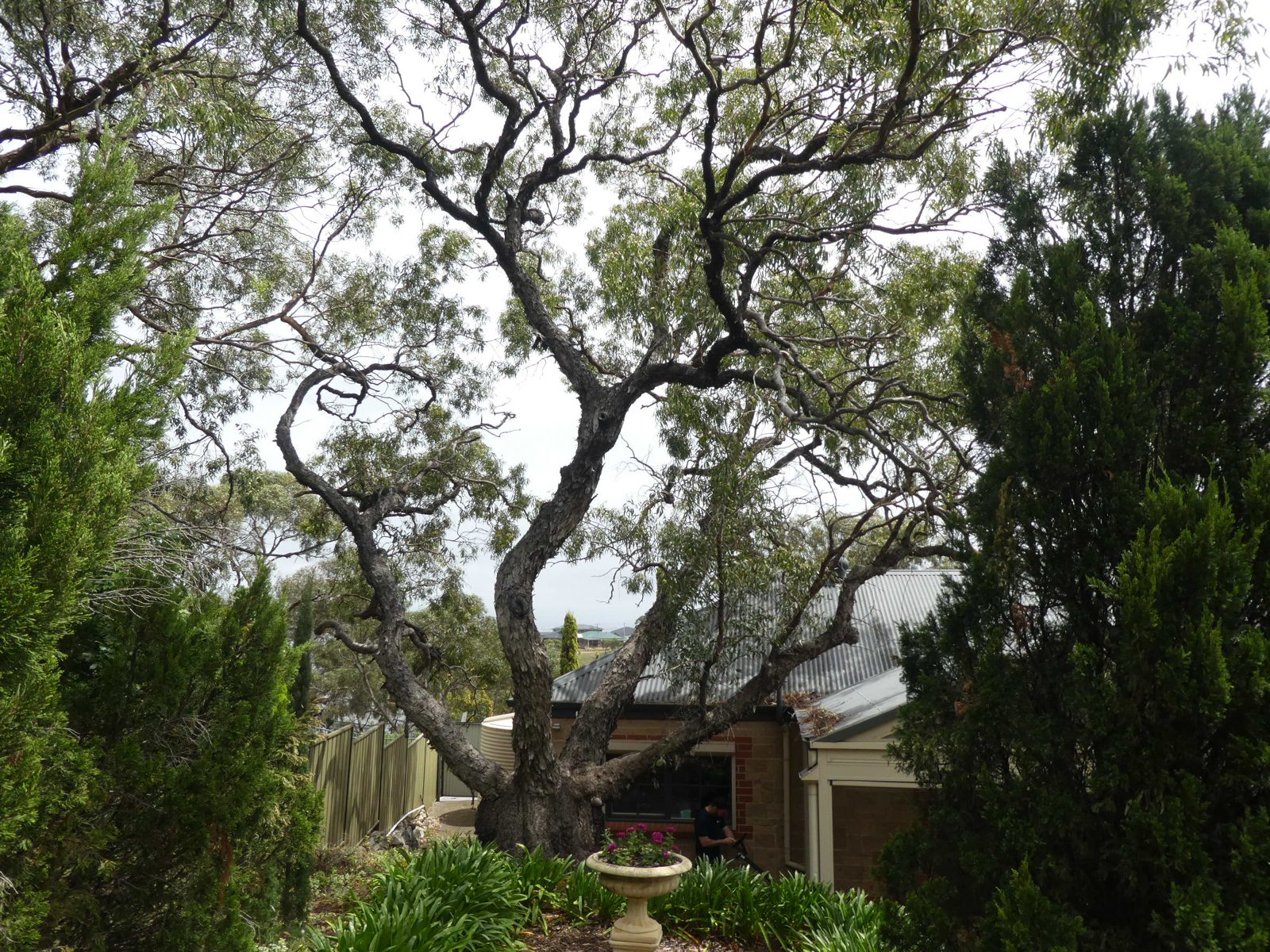
Tree influence, Greenwith
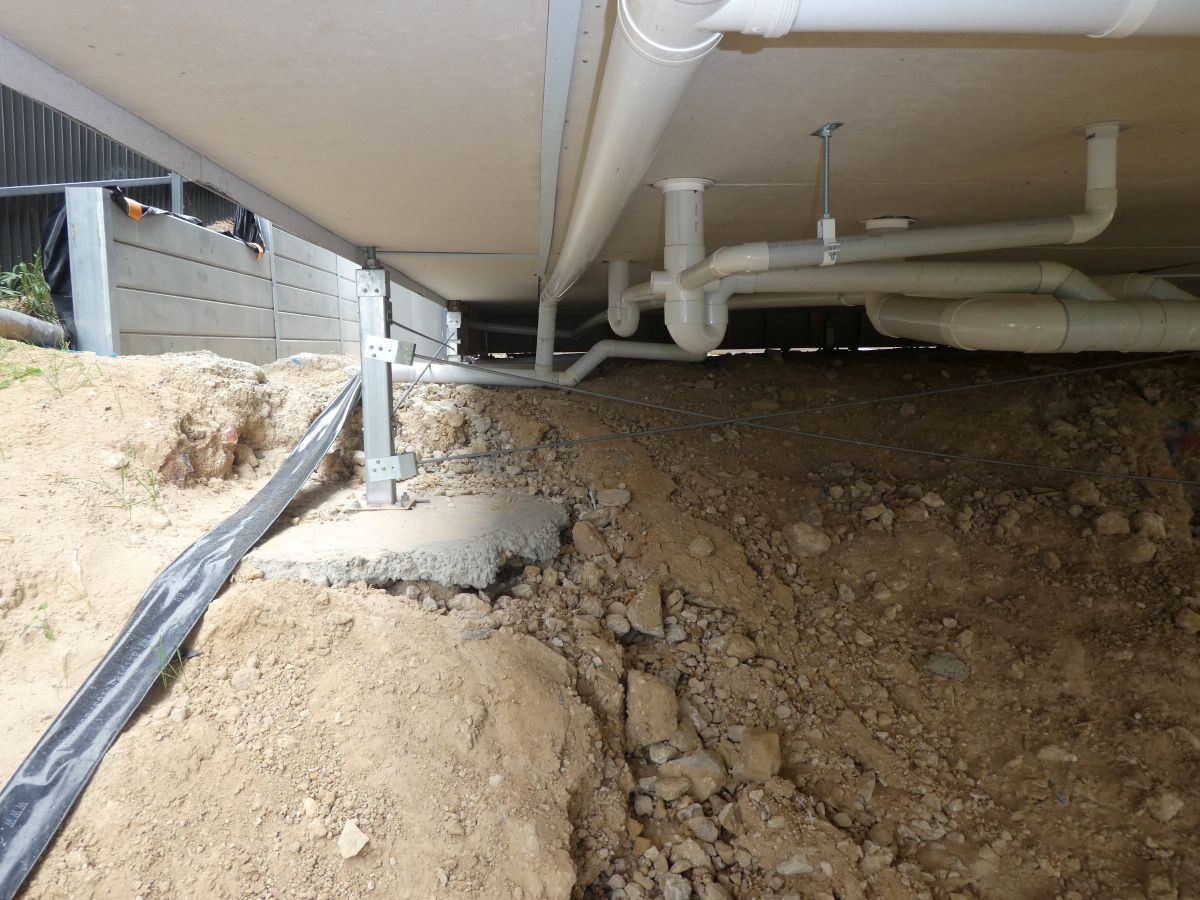
Washed-out footing, Murray Bridge
Enquire
Request a quote
Tell James the suburb and what you have noticed. The form opens your email with the details filled in.
Same-day call back. Typical metro inspection within a few days.